

.png)


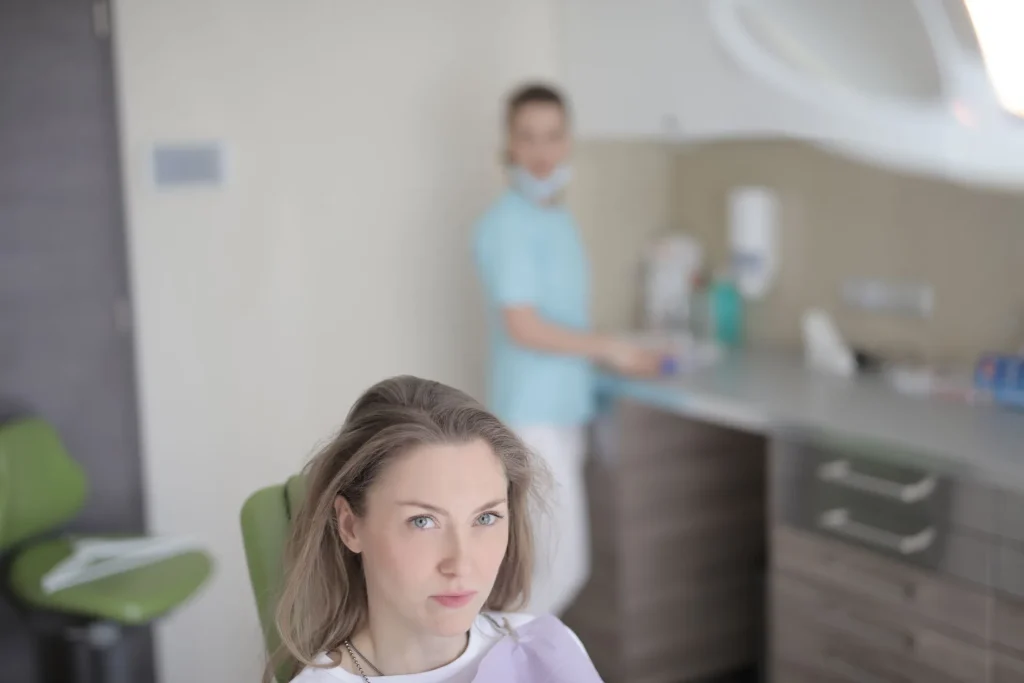
You sit down for a dental appointment, but the moment an instrument touches the back of your mouth, you start gagging. You try breathing through your nose and staying relaxed, yet the feeling keeps returning. Even a routine dental impression can become difficult. If this sounds familiar, a dentist in Richmond, BC can help you understand why it happens and what may make treatment easier.
A strong gag reflex doesn’t automatically mean you need general anesthesia. Some patients manage well with small adjustments during treatment, while others may need sedation. The right approach depends on how severe your gagging is, the dental work involved, and your medical history.
Why Do Some People Have a Strong Gag Reflex?
Gagging is a protective response that helps prevent unwanted objects from entering your throat. Some people react more strongly when something touches their tongue, palate, or the back of their mouth.
You might notice it during dental X-rays, impressions, or when your dentist works near your back teeth.
Several factors can make gagging more noticeable:
- Sensitive areas: Contact with certain parts of your mouth may trigger an immediate response.
- Dental anxiety: Feeling nervous can make gagging harder to control.
- Breathing difficulties: Nasal congestion may make dental procedures uncomfortable.
- Previous experiences: An unpleasant appointment may increase your anticipation of gagging.
Understanding your triggers can help your dentist plan your appointment.
Can a Severe Gag Reflex Make Dental Treatment Difficult?
Yes. A strong gag reflex can interrupt treatment, even when you’re trying to cooperate.
For example, you may tolerate a regular examination but struggle when an impression tray is placed at the back of your mouth. Some patients also find it difficult to manage instruments placed near their back teeth.
If you’re exploring options for severe gag reflex dental treatment, tell your dentist which procedures have been difficult in the past.
Your dentist may try smaller instruments, allow breaks during treatment, or adjust your position. Breathing techniques and digital impressions may also help in suitable situations.
These approaches aren’t always enough, but they can make certain procedures easier without requiring general anesthesia.
Is General Anesthesia Necessary for a Strong Gag Reflex?
Not necessarily. General anesthesia involves medications that place you in a controlled state of unconsciousness during dental treatment.
It may be considered when severe gagging prevents necessary dental work despite other approaches. The length and complexity of the procedure may also influence the decision.
A general anesthesia dentist in Richmond, BC can discuss whether this option is appropriate after reviewing your medical history and treatment needs.
General anesthesia requires trained anesthesia professionals, continuous monitoring, and recovery arrangements. Because it carries greater risks than lighter sedation, it isn’t usually the first option for gagging alone.
What Is the Difference Between Nitrous Oxide and General Anesthesia?
When considering nitrous vs general anesthesia for gagging, it’s important to understand how each option affects your awareness during treatment.
Nitrous Oxide
Nitrous oxide, commonly called laughing gas, is inhaled through a small mask over your nose.
You remain awake and able to respond to instructions. It may help you feel calmer and tolerate dental procedures, although it doesn’t eliminate gagging for everyone.
Its effects generally wear off quickly once the gas is stopped and you breathe oxygen.
General Anesthesia
Under general anesthesia, you remain unconscious during the procedure while the anesthesia team monitors your condition.
Recovery takes longer than with nitrous oxide, and you’ll need someone to accompany you home.
Oral sedation may also be considered. It can help reduce anxiety, although the level of sedation and your response depend on the medication and dose.
How Does Your Dentist Decide Which Option Is Suitable?
If you’re searching for sleep dentistry Richmond, you may be wondering whether sedation could make your next appointment easier.
Your dentist will ask about your health, what triggers your gag reflex, and which procedures you’ve struggled with before. This helps determine whether sedation is appropriate.
If you’re looking for a dentist near you, consider discussing your gag reflex before scheduling a lengthy procedure.
Your dentist can then discuss suitable approaches and determine whether an anesthesia consultation is appropriate.
What Should You Expect Before General Anesthesia?
If general anesthesia is recommended, you’ll receive instructions before treatment.
These may include when to stop eating or drinking, which medications to take, and how to arrange transportation home.
During the procedure, the anesthesia team monitors your breathing, heart rate, blood pressure, and oxygen levels.
Afterward, you may feel sleepy, dizzy, or nauseated. You’ll need time to recover and should follow the instructions provided by your care team.
Arrange for a responsible adult to take you home and follow any supervision instructions given after anesthesia.
Discuss Your Dental Comfort Options
A strong gag reflex can make dental visits stressful and difficult, especially during treatments that require working near the back of your mouth. You do not have to manage these concerns alone. Contact River Road Dental to schedule a consultation. Our team can listen to your concerns, understand what makes dental treatment difficult for you, and explain different comfort options, including whether general anaesthesia may be suitable for your needs.
Frequently Asked Questions
Can You Receive Dental Treatment With a Severe Gag Reflex?
Yes. Adjustments to instruments, positioning, or sedation may help, depending on your needs.
Does Nitrous Oxide Stop Gagging Completely?
No. It may reduce anxiety, but it doesn’t prevent gagging for everyone.
Is General Anesthesia Safe for Dental Procedures?
It carries risks. A qualified anesthesia professional must assess and monitor you.
Can Anxiety Make Your Gag Reflex Worse?
Yes. Anxiety can increase sensitivity and make gagging harder to manage.