

.png)


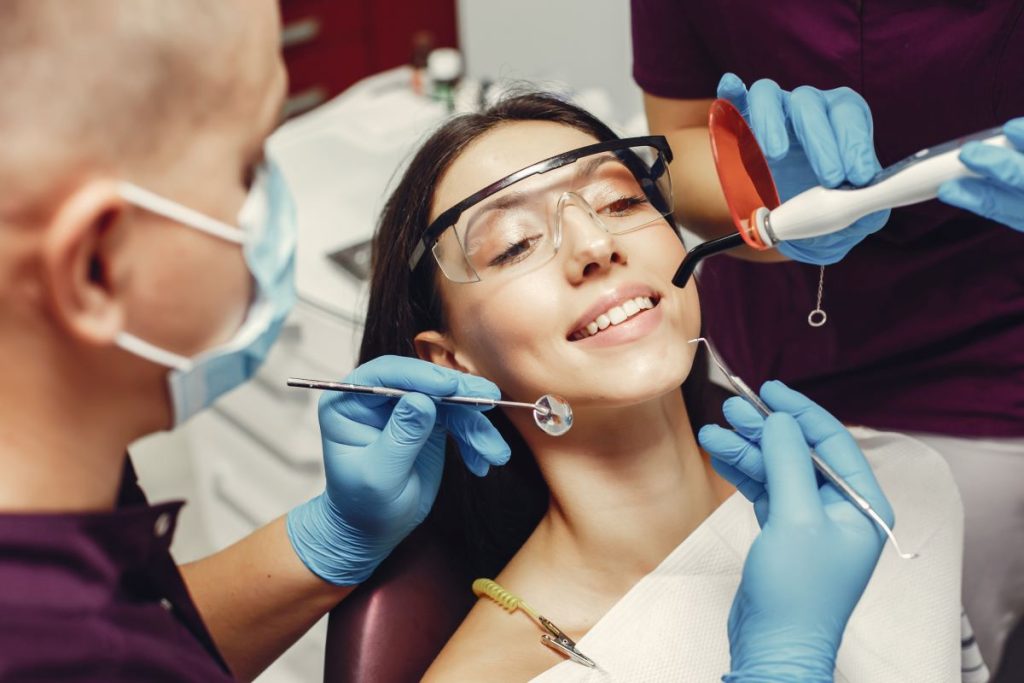
Chipped front teeth, dark triangles near the gumline, and old bonding that has yellowed around the edges are three of the most common reasons people start researching cosmetic options with a dentist in Richmond, BC. Both Bioclear and traditional composite bonding promise a natural-looking fix without crowns or veneers, which makes the choice confusing. The question most patients ask first is a practical one: which option holds its colour and its shape longer?
The short answer is that the material is often similar, but the technique is not, and technique is where most of the difference comes from.
What Regular Composite Bonding Involves
Traditional bonding is a freehand procedure. Your dentist etches the enamel, applies a bonding agent, then places tooth-coloured bonding material in soft layers and shapes it by hand, curing each layer with a light.
The final step is finishing and polishing with burs, discs, and polishing paste.
It is a quick, conservative, and relatively affordable option. Your dentist can complete most cases in a single visit, and the technique removes little or no natural tooth structure.
What Makes Bioclear Different
Bioclear uses the same type of composite resin as traditional bonding, but applies it differently. Instead of shaping the material by hand in layers, your dentist places a clear mould around the tooth and injects heated composite into it under pressure.
The result is an injection-moulded composite restoration formed as a single continuous mass rather than as several stacked increments.
Key differences in the process include:
- Heated resin flows into fine spaces that hand-packed material can leave as voids.
- The matrix wraps around the tooth and extends slightly below the gumline, helping close the spaces that can cause black triangles.
- The composite is placed as one continuous restoration rather than in separate layers.
- The tooth is then finished and polished in stages to achieve a smooth, natural-looking shine.
If you have been reading about Bioclear in Richmond, BC, you will often see it described as a bonding upgrade rather than a separate treatment category.
Bioclear vs Bonding: Does It Stain Less?
Composite bonding staining usually begins in two places: the margin where the restoration meets the tooth, and microscopic surface roughness that holds pigment from coffee, tea, red wine, and tobacco.
Bioclear addresses both of those areas, which is why it tends to resist discolouration longer.
- Margins: hand-layered bonding can leave a small ledge or open margin at the edge, and that line collects stain over time. The wrap-around matrix produces a smoother, more sealed transition.
- Surface polish: a glass-like finish gives pigment fewer places to settle, while rougher surfaces pick up colour faster.
- Porosity: voids trapped during hand placement can darken as they take on fluids and pigment.
Neither option is completely resistant to staining. Composite can pick up stains over time, especially with regular use of coffee, tea, or tobacco. The main difference is how noticeable the staining becomes and how much of the original shine and colour professional polishing can restore.
Does Bioclear Chip Less?
Chipping in bonded restorations usually occurs for one of three reasons: a thin edge, a weak bond at the margin, or a flaw within the material where separate layers meet.
Injection moulding reduces the third factor, since the restoration forms as one piece rather than several. Fewer internal boundaries generally means fewer weak points for a crack to travel along.
Bite forces still matter more than anything else. Edge-to-edge bites, clenching, grinding, and habits such as chewing ice or opening packaging with your front teeth can fracture either type of restoration. If you show signs of wear, your dentist may suggest a nightguard.
Published longevity figures vary widely across studies, and your own result depends on your bite, oral hygiene, diet, and the size of the restoration. A dentist near you can give a more realistic estimate after examining how your teeth meet.
Where Each Option Fits Best
Bioclear is often a good choice for:
- Closing black triangles between teeth, often caused by gum recession or previous orthodontic treatment.
- Improving the shape of peg lateral incisors or other smaller-than-average teeth.
- Restoring worn or eroded front teeth that have lost some of their original shape.
- Cases where a smooth finish and well-sealed margins are especially important.
Traditional bonding may be a better fit for:
- Repairing small chips or minor damage to the edges of teeth.
- Fixing small cavities in visible areas.
- Patients looking for a more affordable option or a shorter appointment.
- Temporary repairs while considering more extensive dental treatment.
Cost and treatment time are also worth considering. Bioclear generally takes longer due to matrix placement, heated composite, and additional polishing steps. This can also make it more expensive than traditional bonding.
Care That Protects Either Choice
How well you look after your teeth plays a big part in how long your restorations last.
Here are a few things you can do to keep them in good condition:
- Rinse with water after drinking coffee, tea, cola or red wine.
- Use a gentle, non-abrasive toothpaste. Whitening toothpastes can wear down the polish over time.
- Keep up with regular dental cleanings and ask your dentist about polishing your restorations when needed.
- Wear a nightguard if you grind or clench your teeth.
- Avoid biting into hard objects or foods with your restored front teeth.
One thing to keep in mind: composite does not whiten like natural enamel. If you’re planning to whiten your teeth, it’s best to do this before having them bonded. This allows your dentist to match the composite to your new tooth shade.
Ready to Compare Your Options?
Choosing between these two approaches comes down to your teeth’s condition, your bite, and the result that matters most to you. A consultation is the clearest way to find out which one suits your situation.
Please book a consultation with River Road Dental, and our team will talk through what would work best for your smile.
FAQ’s
How long does Bioclear last compared with regular bonding?
Results vary by case. Reported lifespans for traditional bonding often fall in the three- to ten-year range. Smoother margins and a single-piece structure address two of the common failure points, though bite forces and home care remain the deciding factors.
Can stained bonding be fixed without replacing it?
Often, yes. Your dentist can frequently remove surface stain with professional polishing. Discolouration that has worked its way into the margin or deep into the material usually calls for replacement.
Does Bioclear require removing enamel?
In most cases, the treatment is additive, meaning your dentist bonds composite onto the existing tooth. Your tooth may need some light surface preparation depending on its condition.
Will the colour match my surrounding teeth?
Your dentist will choose a shade that blends with your natural teeth before starting the treatment. The match is usually good, especially for front teeth. Keep in mind that composite can change colour over time, so you may need occasional polishing to keep it looking its best.