

.png)

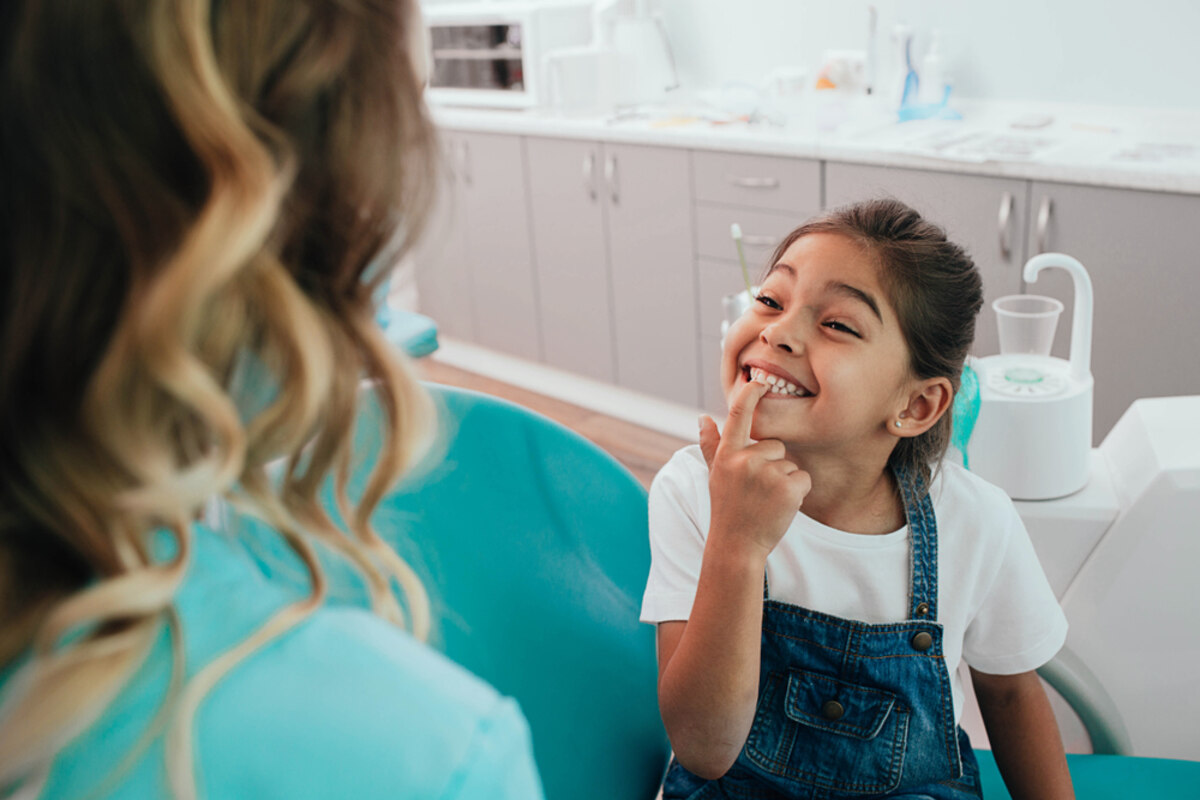
Children do not always need braces before age 10, but some may benefit from an early orthodontic check. As baby teeth fall out and adult teeth come in, problems with tooth spacing, jaw growth, or how the teeth meet may become easier to spot. A dental clinic in Richmond can assess your child’s bite and tooth development to see whether treatment is needed now or later. An early check does not mean your child will automatically need braces. It helps identify concerns while the teeth and jaws are still developing.
Children should have their first orthodontic check by age 7. At this age, a mix of baby and adult teeth can help the dentist spot signs of bite problems. Some children may only need regular checkups, while others may benefit from early treatment. Knowing the signs can help you decide when to book an appointment for your child.
Does Every Child Need Braces Before Age 10?
No. Many children do not need braces at this age. Early orthodontic treatment is recommended only when a specific problem can be addressed while the jaw is still growing.
Depending on the child’s needs, treatment may help guide jaw growth, create space for adult teeth, or correct certain bite problems. Other children may be advised to wait until more adult teeth have come in.
A dental clinic near you can check your child’s development and explain whether early treatment or later monitoring is more suitable.
Early Signs of Bite and Crowding Problems
Some orthodontic concerns are easy to notice, while others may only become clear during a dental examination. Watch for these signs:
- Crowded or overlapping teeth: Adult teeth may come in without enough space, causing them to twist or overlap.
- A large gap between the upper and lower front teeth: The front teeth may not meet when the mouth closes.
- An underbite: The lower front teeth sit in front of the upper front teeth.
- A deep bite: The upper front teeth cover too much of the lower front teeth.
- An open bite: The front teeth do not meet when the back teeth are together.
- Difficulty biting or chewing: Your child may struggle to bite into foods or may chew unevenly.
- Teeth that do not meet evenly: The bite may shift to one side when your child closes their mouth.
These signs do not always mean braces are needed, but they are worth discussing with a dental professional.
Habits That May Affect Tooth and Jaw Development
Some childhood habits can affect how the teeth or jaws develop, especially when they continue as permanent teeth begin to appear.
Examples include:
- Thumb-sucking that continues as adult teeth come in.
- Long-term pacifier use.
- Pushing the tongue against the front teeth when swallowing.
- Regular mouth breathing, which may sometimes be linked to blocked nasal passages or other concerns.
These habits do not automatically cause orthodontic problems in every child. If a habit continues or breathing seems difficult, ask a dental or medical professional for guidance rather than trying to correct it through pressure or punishment.
What Happens During an Early Orthodontic Check?
An early check is usually simple. The dentist or orthodontist checks your child’s teeth, bite, and jaw movement. They may also ask if your child has trouble chewing, has any oral habits, or when their baby teeth started falling out.
Depending on the findings, the next step may include:
- Monitoring tooth and jaw growth during regular visits.
- Taking dental X-rays if they are needed to assess developing teeth.
- Discussing early treatment for a specific bite or spacing problem.
- Planning a later orthodontic assessment when more adult teeth have erupted.
Dental braces in Richmond may be considered if your child has a problem that is suitable for early correction. Some children may need braces later, while others may not need them at all.
Give Your Child a Healthy Start!
An early orthodontic assessment can help you understand your child’s tooth development and whether any concerns need attention. River Road Dental can evaluate your child’s bite, answer your questions, and explain the next steps based on their needs. Book an appointment to discuss your concerns and support your child’s growing smile.
FAQs
What is the best age for a child’s first orthodontic check?
Around age 7 is a common recommendation because some adult teeth have appeared and developing bite problems may be easier to assess. This does not mean braces must begin at that age.
Can crowded baby teeth mean my child will need braces?
Not always. Baby teeth naturally have different spacing patterns, and an examination can help determine whether there is a concern about space for adult teeth.
Can a bite problem correct itself as my child grows?
Some changes happen naturally as adult teeth come in, but certain bite problems may not correct themselves. An assessment helps determine whether monitoring or treatment is appropriate.
Are braces the only option for children under 10?
No. Depending on the problem, care may involve monitoring, a removable appliance, or another orthodontic device. Braces are used when they are suitable for the child’s needs